Buy mattressessale.eu ?
We are moving the project
mattressessale.eu .
Are you interested in purchasing the domain
mattressessale.eu ?
domain@kv-gmbh.de · 0541-91531010
Buy mattressessale.eu ?
Does the mattress shift in this futon bed?
No, the mattress in this futon bed does not shift. The futon bed is designed to securely hold the mattress in place, preventing it from moving or shifting during use. This ensures that the mattress stays in position, providing a comfortable and stable sleeping surface for the user. **
Can't you sleep during the night shift?
It can be challenging to sleep during the night shift because our bodies are naturally programmed to be awake during the day and asleep at night. The artificial light and noise in the workplace can also make it difficult to fall asleep. However, with practice and creating a sleep-friendly environment, it is possible to get quality rest during the night shift. Some people find that using earplugs, an eye mask, and maintaining a consistent sleep schedule can help improve their sleep during the night shift. **

Similar search terms for Shift
Top-Angebote
Products related to Shift:
-
Caterpillar Second Shift - Mens 7 Tan Boot Medium*You'll be ready for the longest workdays with this comfortable, capable boot along *Nubuck leather or full grain leather upper *Lace-up closure with heavy-duty hardware *Padded collar *Breathable nylon mesh lining *Climasphere™ sockliner for...119,95 $*Shipping: 0,00 $Secure redirect to the provider



-
How do you sleep during shift work?
Sleeping during shift work can be challenging due to the disruption of the body's natural circadian rhythm. To improve sleep quality, it is important to create a dark, quiet, and comfortable sleep environment. Establishing a consistent sleep schedule, even on days off, can help regulate the body's internal clock. Additionally, practicing relaxation techniques before bedtime and avoiding stimulants like caffeine close to the end of a shift can promote better sleep during shift work. **
-
How does the helix shift during sleep?
During sleep, the helix of the ear does not physically shift or change position. The helix is a part of the external ear and is made up of cartilage, which maintains its shape and structure during sleep. However, the perception of the helix may change as a person shifts positions during sleep, causing pressure on the ear and potentially altering the sensation of the helix. Additionally, during certain stages of sleep, such as REM sleep, the brain may process sensory information differently, which could affect the perception of the helix. **
-
Shift work or day shift?
The choice between shift work or day shift ultimately depends on individual preferences and lifestyle. Day shift typically offers more consistency in terms of schedule and allows for better work-life balance, as workers have evenings and weekends off. On the other hand, shift work can provide flexibility for those who prefer working at different times of the day or night, and may offer higher pay due to shift differentials. It's important to consider personal priorities and needs when deciding between the two options. **
-
How can I sleep better or find sleep when I have to switch from late shift to early shift?
To improve your sleep when switching from a late shift to an early shift, it's important to establish a consistent sleep schedule. Try to go to bed and wake up at the same time every day, even on your days off. Create a relaxing bedtime routine to signal to your body that it's time to wind down, such as taking a warm bath or reading a book. Limit exposure to screens and bright lights before bed, as they can disrupt your body's natural sleep-wake cycle. Additionally, make sure your sleeping environment is comfortable and conducive to sleep, such as keeping the room dark, quiet, and at a comfortable temperature. If you're still having trouble adjusting, consider talking to a healthcare professional for personalized advice. **


How long to sleep after a night shift?
After a night shift, it is recommended to try to get at least 7-9 hours of sleep to ensure proper rest and recovery. It is important to listen to your body and allow yourself enough time to rest before resuming your normal activities. Some people may need more or less sleep depending on their individual needs and how they feel after the night shift. It is also helpful to establish a consistent sleep schedule to help regulate your body's internal clock. **
How do you sleep during the night shift?
During the night shift, I make sure to create a sleep-friendly environment by keeping my room dark, quiet, and cool. I try to establish a consistent sleep schedule by going to bed and waking up at the same time each day, even on my days off. I also avoid caffeine and heavy meals close to bedtime to help me fall asleep faster. Additionally, I use relaxation techniques such as deep breathing or listening to calming music to help me unwind before going to bed. **
Top-Angebote
Products related to Shift:
-
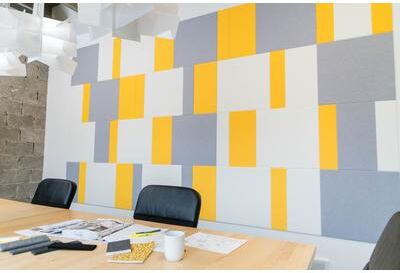
Felt Right Shift Sound Dampening Pinnable TilesEach Felt Right tile is made from high-density, engineered PET felt that has a warm, wool-like appearance but is also very durable and wear-resistant! Each of our ⅜” Felt Right tiles act as a sound barrier on your walls. The fibrous nature of the...995,68 $*Shipping: 0,00 $Secure redirect to the provider
-
Caterpillar Second Shift - Mens 7 Tan Boot Medium*You'll be ready for the longest workdays with this comfortable, capable boot along *Nubuck leather or full grain leather upper *Lace-up closure with heavy-duty hardware *Padded collar *Breathable nylon mesh lining *Climasphere™ sockliner for...119,95 $*Shipping: 0,00 $Secure redirect to the provider
-
Does the mattress shift in this futon bed?
No, the mattress in this futon bed does not shift. The futon bed is designed to securely hold the mattress in place, preventing it from moving or shifting during use. This ensures that the mattress stays in position, providing a comfortable and stable sleeping surface for the user. **
-
Can't you sleep during the night shift?
It can be challenging to sleep during the night shift because our bodies are naturally programmed to be awake during the day and asleep at night. The artificial light and noise in the workplace can also make it difficult to fall asleep. However, with practice and creating a sleep-friendly environment, it is possible to get quality rest during the night shift. Some people find that using earplugs, an eye mask, and maintaining a consistent sleep schedule can help improve their sleep during the night shift. **
-
How do you sleep during shift work?
Sleeping during shift work can be challenging due to the disruption of the body's natural circadian rhythm. To improve sleep quality, it is important to create a dark, quiet, and comfortable sleep environment. Establishing a consistent sleep schedule, even on days off, can help regulate the body's internal clock. Additionally, practicing relaxation techniques before bedtime and avoiding stimulants like caffeine close to the end of a shift can promote better sleep during shift work. **
-
How does the helix shift during sleep?
During sleep, the helix of the ear does not physically shift or change position. The helix is a part of the external ear and is made up of cartilage, which maintains its shape and structure during sleep. However, the perception of the helix may change as a person shifts positions during sleep, causing pressure on the ear and potentially altering the sensation of the helix. Additionally, during certain stages of sleep, such as REM sleep, the brain may process sensory information differently, which could affect the perception of the helix. **
Similar search terms for Shift
-
Caterpillar Second Shift - Mens 9 Tan Boot Medium*You'll be ready for the longest workdays with this comfortable, capable boot along *Nubuck leather or full grain leather upper *Lace-up closure with heavy-duty hardware *Padded collar *Breathable nylon mesh lining *Climasphere™ sockliner for...119,95 $*Shipping: 0,00 $Secure redirect to the provider
-
Shift work or day shift?
The choice between shift work or day shift ultimately depends on individual preferences and lifestyle. Day shift typically offers more consistency in terms of schedule and allows for better work-life balance, as workers have evenings and weekends off. On the other hand, shift work can provide flexibility for those who prefer working at different times of the day or night, and may offer higher pay due to shift differentials. It's important to consider personal priorities and needs when deciding between the two options. **
-
How can I sleep better or find sleep when I have to switch from late shift to early shift?
To improve your sleep when switching from a late shift to an early shift, it's important to establish a consistent sleep schedule. Try to go to bed and wake up at the same time every day, even on your days off. Create a relaxing bedtime routine to signal to your body that it's time to wind down, such as taking a warm bath or reading a book. Limit exposure to screens and bright lights before bed, as they can disrupt your body's natural sleep-wake cycle. Additionally, make sure your sleeping environment is comfortable and conducive to sleep, such as keeping the room dark, quiet, and at a comfortable temperature. If you're still having trouble adjusting, consider talking to a healthcare professional for personalized advice. **
-
How long to sleep after a night shift?
After a night shift, it is recommended to try to get at least 7-9 hours of sleep to ensure proper rest and recovery. It is important to listen to your body and allow yourself enough time to rest before resuming your normal activities. Some people may need more or less sleep depending on their individual needs and how they feel after the night shift. It is also helpful to establish a consistent sleep schedule to help regulate your body's internal clock. **
-
How do you sleep during the night shift?
During the night shift, I make sure to create a sleep-friendly environment by keeping my room dark, quiet, and cool. I try to establish a consistent sleep schedule by going to bed and waking up at the same time each day, even on my days off. I also avoid caffeine and heavy meals close to bedtime to help me fall asleep faster. Additionally, I use relaxation techniques such as deep breathing or listening to calming music to help me unwind before going to bed. **
* All prices are inclusive of VAT and, if applicable, plus shipping costs. The offer information is based on the details provided by the respective shop and is updated through automated processes. Real-time updates do not occur, so deviations can occur in individual cases. ** Note: Parts of this content were created by AI.